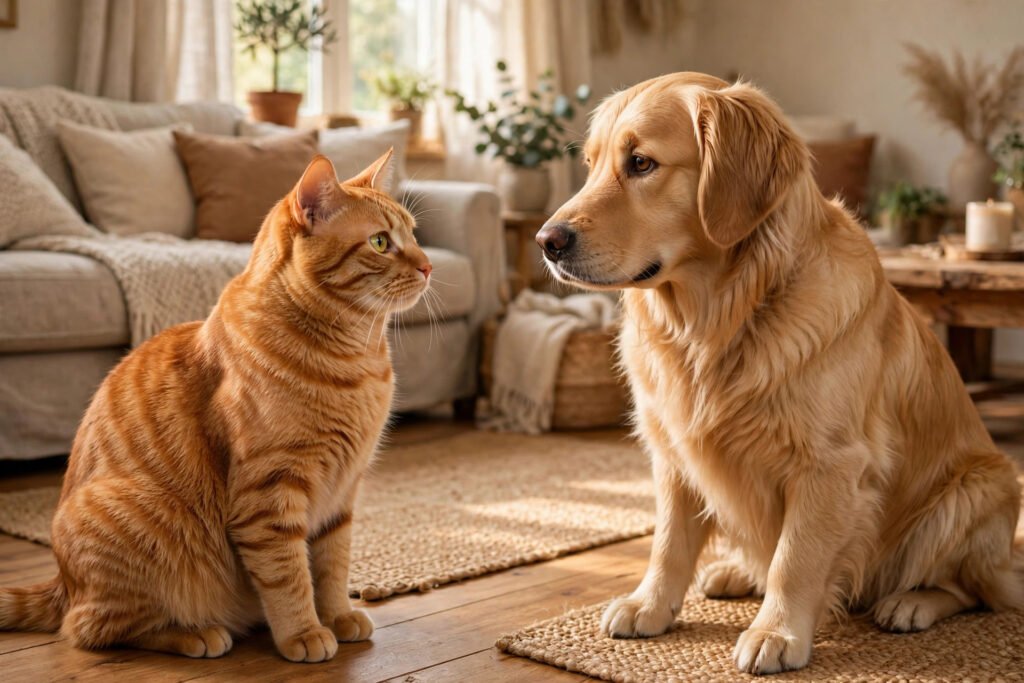

You can tell the moment summer arrives for your dog. The morning walk that used to mean bounding energy turns into a slow trudge, the midday hours are spent sprawled on the coolest patch of tile in the house, and the water bowl empties twice as fast. Dogs feel heat more intensely than people do — they cannot sweat it off the way humans can — so keeping them comfortable when temperatures climb is genuinely a safety issue, not just a comfort one.
The good news: preventing overheating is mostly about a few consistent habits — fresh water always within reach, exercise timed for the cooler hours, real shade at rest, and knowing the early warning signs of heatstroke so you can act before it becomes an emergency.
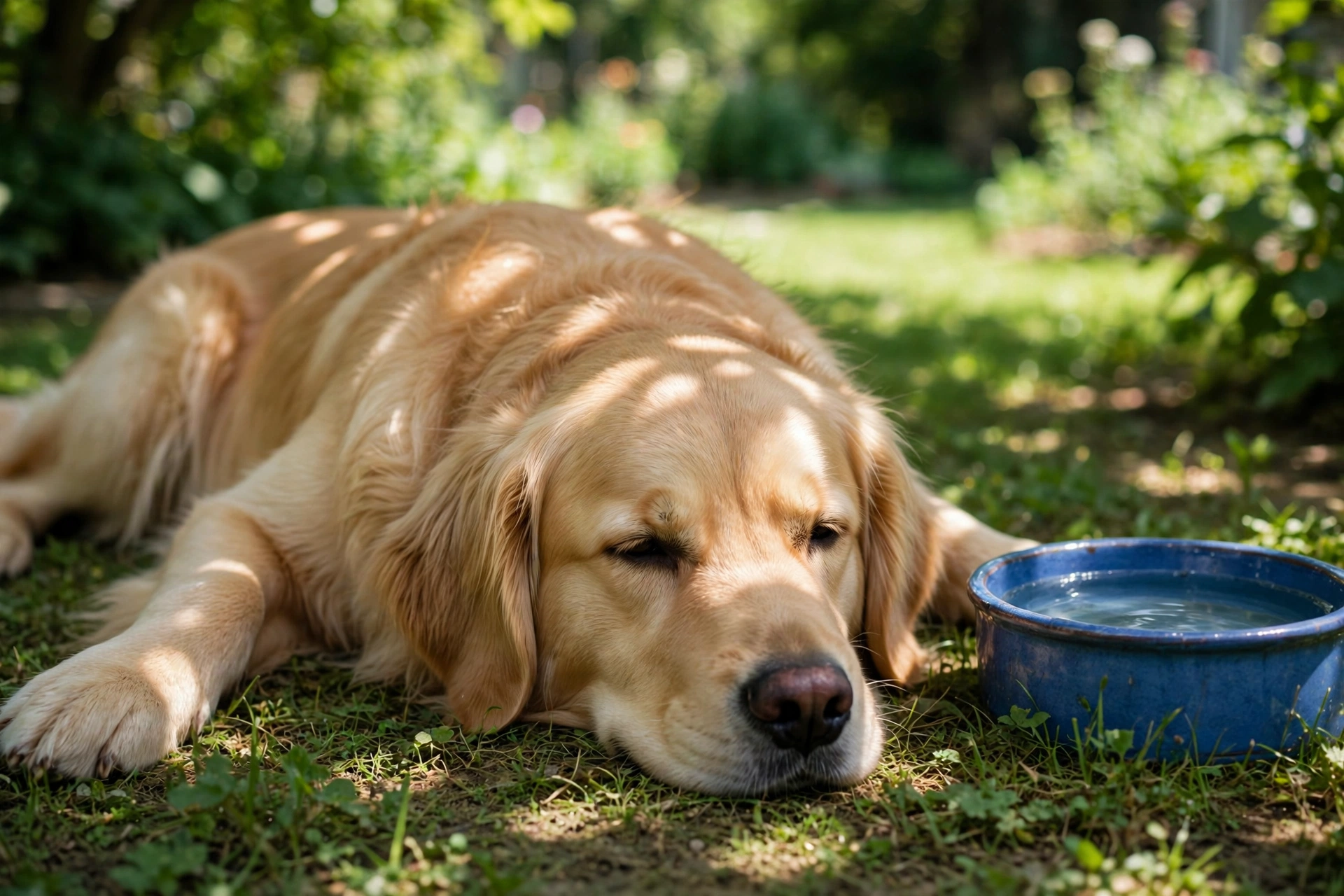
Why Dogs Overheat Faster Than People
Dogs release most of their body heat through panting and, to a much smaller extent, through their paw pads. A thick coat that protects against cold in winter traps heat in summer. Some dogs face noticeably higher risk: senior dogs, puppies, overweight dogs, and short-nosed (brachycephalic) breeds such as Bulldogs and Pugs, whose narrowed airways make panting less efficient. If your dog falls into one of these groups, every tip below matters even more.
Learn the Warning Signs of Heatstroke
Heatstroke can develop in minutes, so recognizing it early is the single most important skill in this guide. The RSPCA lists the key signs as heavy panting and difficulty breathing, excessive drooling, and a dog that looks lethargic, drowsy, or uncoordinated — progressing to collapse or vomiting in severe cases. Their guide to preventing dogs from overheating is worth bookmarking.
If you see these signs, act immediately: move the dog to a shaded, cool area, offer small amounts of room-temperature water, and pour cool (not ice-cold) water over their body — the RSPCA warns that very cold water can cause shock. A fan blowing over damp fur speeds cooling. Then contact your vet right away, even if the dog seems to recover, because heatstroke can cause internal damage that is not immediately visible.
10 Practical Tips to Keep Your Dog Cool and Safe
1. Keep fresh water available at all times
Dehydration accelerates overheating, so water is your first line of defense. Keep a full bowl in a shaded spot and refresh it through the day — water left in direct sun warms up fast and dogs drink less of it. On outings, carry a portable bottle and offer small amounts every 15 to 20 minutes, the rhythm the RSPCA recommends for warm-weather walks.
2. Walk early in the morning or after sunset
Midday heat is the riskiest time for exercise. Shift walks to the coolest parts of the day, keep sessions shorter than usual, and watch your dog’s pace — if panting turns heavy and constant, stop in the shade and rest. Route planning, gear, and timing are safety habits in themselves, which is why our dog walking safety guide is worth reading before the hot months arrive.
3. Test the pavement with the back of your hand
Asphalt and concrete absorb heat and can burn paw pads. The RSPCA’s simple check: press the back of your hand to the surface for a few seconds — if it is too hot for you, it is too hot for your dog. Grass and shaded paths are far kinder on paws.
4. Never leave your dog in a parked car
This is the deadliest mistake a dog owner can make, and the RSPCA’s long-running “Dogs Die in Hot Cars” campaign exists because it keeps happening. A car’s interior can soar to around 45–47°C within minutes even on a mild 20–22°C day, and cracking a window or leaving a water bowl does not make it safe. If your dog cannot come inside with you, leave them at home.
5. Give them a genuinely cool place to rest
Shade is non-negotiable. Outdoors, that means a covered area with airflow — never a closed conservatory, shed, or car. Indoors, many dogs gravitate to tile or hardwood floors; keep those spots accessible and add a fan or air conditioning on the hottest days. A crate in direct sun or a sunny balcony corner is not a resting spot — it is an oven.
6. Cool them down with water and a fan
On very hot days, gently wetting your dog’s belly, paws, and ears with cool (room-temperature, not ice-cold) water helps heat escape. Drape a damp towel over them in front of a fan and re-wet the towel regularly — the RSPCA notes that a towel left to dry out can trap heat instead of releasing it.
7. Keep the coat brushed, not shaved
A well-maintained coat ventilates better than a matted one, so brush out loose undercoat regularly through the warm months. Resist the urge to shave a double-coated breed: the outer coat insulates against heat as well as cold, and shaving can make overheating worse while exposing skin to sunburn. Our simple grooming routine for pets covers the brushing basics that matter most in summer.
8. Offer frozen treats and safe water play
Stuff a chew toy with peanut butter or plain yogurt and freeze it — it keeps a dog occupied and cool at the same time. A shallow splash pool or sprinkler session works well for dogs that enjoy water, but supervise closely: not every dog can swim, and even confident swimmers tire faster in the heat.
9. Try a cooling mat or vest on the hottest days
Pressure-activated cooling mats and evaporative cooling vests can take the edge off indoor heat or a warm car ride. They work for a few hours at a time and are useful for high-risk dogs — but treat them as a supplement, not a substitute, for water, shade, and sensible timing.
10. Take extra care of vulnerable dogs
Senior dogs, puppies, overweight dogs, and short-nosed breeds overheat faster and recover more slowly. On hot days, keep their outings minimal, their water constant, and your eye on them. If you share your home with an older dog, our senior dog care guide explains how aging changes heat tolerance and daily routines.
FAQ
Is it okay to give my dog ice cubes on a hot day?
For most dogs, a few ice cubes as an occasional treat are fine, and many enjoy crunching them. Do not force water or ice on a dog that is panting heavily, though — let them settle first, then offer small sips of cool water. The RSPCA advises against letting dogs gulp water while panting hard, as it can cause bloating or vomiting.
Can my dog swim to cool off?
Swimming is excellent cooling exercise for dogs that enjoy it — with supervision. Not all dogs can swim, so never assume, and keep sessions short since heat and exertion compound each other. Rinse off afterward if the water was chlorinated or salty, and always make sure the dog has an easy way to get out of the water on their own.
How hot is too hot for a dog walk?
There is no single safe number — humidity, breed, coat, age, and fitness all matter. A practical rule: combine the pavement hand test with watching your dog. If the ground is comfortable for your hand, the air feels manageable, and your dog’s panting stays easy and rhythmic, you are fine. If any of those fail, cut the walk short.
Final Thoughts
Keeping a dog cool in hot weather is not complicated — it is consistent. Water, shade, sensible timing, and an eye for the early signs of heatstroke cover almost everything. Build these habits now, and the hottest days of the year become just another season to enjoy together.