
Keeping pets clean is about much more than making them smell fresh. Regular grooming helps remove dirt, loose hair, mats, and debris while giving you an opportunity to notice changes in your pet’s skin, coat, ears, eyes, teeth, and paws.
The right routine depends on the animal, breed, coat type, lifestyle, and individual health needs. Dogs that spend lots of time outdoors may need more frequent cleaning than indoor pets, while many cats handle most of their own grooming.
Here are practical ways to keep pets clean while making grooming a comfortable and manageable part of everyday pet care.
1. Brush Your Pet Regularly
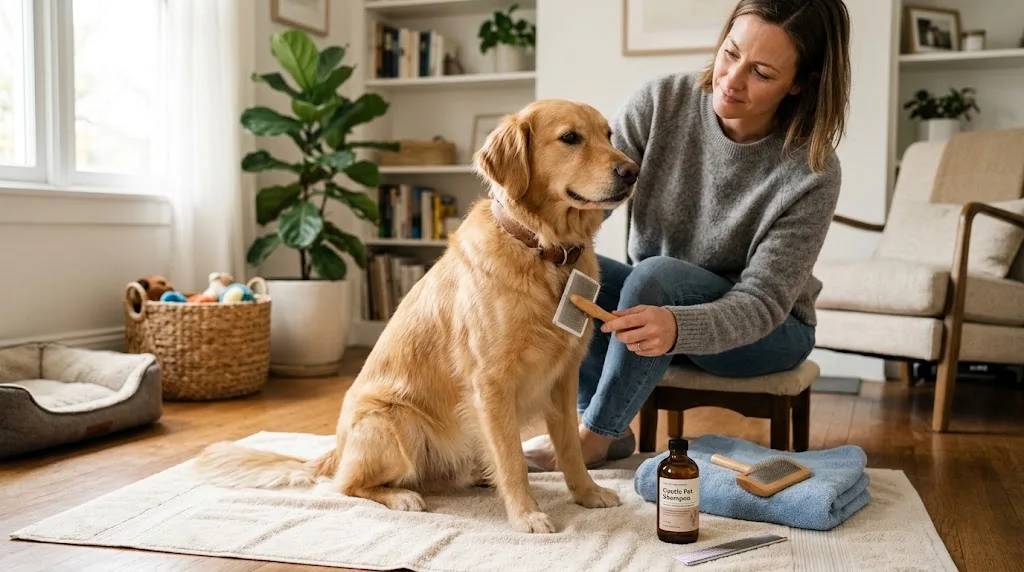
Brushing is one of the easiest ways to maintain a clean coat between baths. It removes loose hair, dirt, and debris while helping prevent tangles and mats.
The ideal brushing schedule depends on your pet’s coat. Short-haired dogs may need brushing around once a week, while long-haired dogs can require daily grooming to keep tangles under control. Cats can also benefit from regular brushing, particularly when they are older or have long coats.
Use a brush or comb appropriate for your pet’s coat and work gently. Regular grooming also gives you a chance to look for fleas, ticks, irritated skin, unusual lumps, wounds, or areas of hair loss.
2. Bathe Your Pet When Necessary
Bathing can remove accumulated dirt and odors, but more bathing is not always better. Over-bathing can irritate the skin, so establish a schedule based on your pet’s coat, lifestyle, and veterinarian’s advice.
For many dogs, the ASPCA says bathing about once every three months is sufficient, although dogs that spend substantial time outdoors or have certain skin problems may need baths more often. Cats generally do not need routine baths unless they become unusually dirty or get into something they cannot safely groom away themselves.
How to Bathe a Dog
- Brush the coat first and remove loose hair and manageable tangles.
- Use lukewarm water and thoroughly wet the coat.
- Apply a shampoo specifically formulated for your pet.
- Avoid getting shampoo directly into the eyes, nose, or ear canals.
- Rinse thoroughly so no shampoo residue remains.
- Towel-dry the coat thoroughly.
Human shampoos are not the best choice for routine pet bathing because products designed for people can contain ingredients or fragrances that irritate an animal’s skin. Choose a product intended for the appropriate animal and ask your veterinarian if your pet has a skin condition or special grooming needs.
3. Keep Your Pet’s Paws Clean
Paws can collect dirt, mud, plant material, and other debris during outdoor walks. A quick paw check after coming inside can help keep both your pet and your floors cleaner.
Look between the toes and around the paw pads for stones, plant material, splinters, or other objects. Wipe dirty paws gently with a damp cloth and dry them afterward.
Regular paw checks are also useful because paw problems can sometimes develop without being obvious while your pet is walking. The ASPCA recommends regularly checking feet for wounds, infections, and foreign objects.
4. Clean the Face Carefully
Some pets, particularly dogs with facial wrinkles, can collect moisture and debris around the face. Gently wipe visible dirt from the face with a clean, damp cloth.
Wrinkle folds deserve particular attention because trapped moisture and debris can contribute to irritation. After cleaning, make sure the folds are thoroughly dry.
If you notice persistent discharge, redness, swelling, cloudiness, or another unusual change around the eyes, contact your veterinarian rather than trying to treat the problem as ordinary dirt.
5. Check and Clean the Ears
Ear care should be gentle. Look at your pet’s ears regularly for visible dirt, unusual discharge, redness, swelling, or unpleasant odor.
Do not insert cotton swabs or other objects deep into an animal’s ear canal. If the ears appear dirty, ask your veterinarian which cleaning solution and technique are appropriate for your pet.
Frequent swimming or bathing can leave moisture around the ears, so drying the outer ear area carefully after water exposure is important. Pets with recurring ear problems may require a veterinary examination rather than repeated home cleaning.
6. Maintain Dental Hygiene
A clean pet is not just a pet with a clean coat. Dental care is also an important part of grooming and general health.
For dogs, introduce a toothbrush and toothpaste made specifically for dogs. Never assume that human toothpaste is appropriate for pets. Start slowly so your pet becomes comfortable with having its mouth handled.
Persistent bad breath, swollen gums, bleeding, difficulty eating, or visible dental problems should be discussed with a veterinarian. Regular professional dental care may also be appropriate depending on your pet’s condition.
7. Keep Bedding and Grooming Areas Clean
Cleaning your pet while ignoring the places where it sleeps can make it harder to maintain a fresh environment. Wash pet bedding regularly and clean blankets, mats, crates, and other frequently used items according to their care instructions.
Vacuuming areas where pets spend a lot of time can also help reduce loose hair and dander around the home. If your pet has been diagnosed with a contagious condition, follow your veterinarian’s cleaning instructions for bedding, toys, and other belongings.
8. Keep Up With Flea and Tick Checks
Regular grooming provides a convenient opportunity to look for fleas, ticks, flea dirt, skin irritation, and other problems hidden beneath the coat.
Check your pet more carefully after outdoor activities, especially during periods when parasites are common in your area. Ask your veterinarian about an appropriate parasite-prevention program instead of choosing a product solely because it is marketed as a general flea or tick solution.
9. Trim Hair Carefully
Some pets need regular trimming around areas such as the face, feet, or tail. However, grooming tools can cause injuries when used incorrectly.
Never use scissors to cut tightly matted fur close to the skin. Mats can hide skin and cutting too close can result in serious injury. If severe matting has developed, professional grooming is usually the safer option.
For routine grooming, use tools appropriate for your pet and avoid shaving the coat unless a veterinarian or qualified professional recommends it for a specific reason.
10. Clean Up After Outdoor Activities
Outdoor play is good for many pets, but it can also bring mud, grass, dirt, and other debris into the home. Keep a clean towel near the entrance so you can wipe paws and dry wet fur as soon as your pet comes inside.
During rainy or snowy weather, pay particular attention to paws and areas of the coat that remain damp. Drying your pet after getting wet can help keep the coat comfortable and reduce moisture-related skin problems.
11. Handle Pet Waste Properly
Pet hygiene also includes responsible waste cleanup. Pick up dog waste promptly and dispose of it appropriately.
Wash your hands with soap and running water after handling pet waste, bedding, or other potentially contaminated materials. The American Veterinary Medical Association notes that pet waste can contain bacteria and parasites, so good hygiene is important for protecting people and animals in the household.
12. Know When a Dirty Pet Needs Veterinary Care
Sometimes an unusual smell or dirty-looking coat is a symptom of an underlying problem rather than a simple grooming issue.
Contact a veterinarian if you notice persistent odor, excessive scratching or licking, unexplained hair loss, irritated skin, repeated ear problems, unusual discharge, wounds, or other changes that do not improve with normal grooming.
Regular grooming can help you notice these changes earlier, but grooming should not replace veterinary care. Some skin, ear, parasite, and dental problems require professional diagnosis and treatment.
How Often Should You Clean Your Pet?
There is no single schedule that works for every animal. A practical routine might include:
- Daily: Check paws after outdoor activities and look for obvious dirt, debris, or changes in your pet’s condition.
- Several times a week: Brush pets according to their coat type and grooming needs.
- As needed: Clean dirty paws, facial areas, bedding, and other visibly soiled areas.
- Periodically: Bathe dogs according to their individual needs and veterinarian guidance.
- Regularly: Check ears, teeth, skin, coat, and nails as part of the grooming routine.
Simple Pet Cleaning Routine
For busy pet owners, a simple routine can make grooming easier. Keep a towel, appropriate brush, pet-safe grooming products, and cleaning supplies in one convenient location. After walks, check the paws and coat. Schedule brushing according to coat type, and reserve full baths for when they are actually needed.
Keeping grooming sessions calm and rewarding can also make pets more comfortable with handling. Start with short sessions and gradually increase the time as your pet becomes accustomed to the process.
Final Thoughts
Learning how to keep pets clean does not mean giving them frequent baths or using lots of grooming products. The most effective approach is consistent basic care: brush the coat, clean dirty paws, monitor the ears and eyes, maintain dental hygiene, keep bedding clean, and bathe when appropriate.
Most importantly, use grooming as an opportunity to notice changes in your pet’s health. A clean coat is valuable, but a comfortable, healthy pet is the real goal.
For more pet-care information, explore related guides on pet food ingredients to avoid, traveling with your dog, hound breeds, and sheepdogs.