
The day your dog’s muzzle turns gray, everything about how you care for them starts to shift. Most dogs enter their senior years around age seven, though large breeds may age earlier and small breeds later. Senior dog care is not about slowing life down — it is about adjusting the rhythm so your dog stays comfortable, active, and connected for as long as possible. This guide covers ten practical tips, from vet checkups and nutrition to joint support and mental enrichment, so you can give your aging dog the best possible golden years.
1. Schedule Veterinary Checkups Twice a Year
Adult dogs do fine with an annual exam, but seniors benefit from visits every six months. Conditions like arthritis, kidney disease, thyroid problems, and early heart issues can develop quietly, and a twice-yearly checkup gives your vet the chance to catch them before they limit your dog’s comfort. Ask for baseline bloodwork and a urinalysis at least once a year — these tests reveal changes in organ function long before symptoms appear. Between visits, keep a simple log of your dog’s appetite, weight, and energy, and bring it to each appointment.
2. Adjust the Diet for a Slower Metabolism
Senior dogs burn fewer calories and gain weight more easily, and extra weight puts painful pressure on aging joints. A food formulated for senior dogs typically has fewer calories, higher-quality protein to maintain muscle, and added fiber for digestion — but read the label carefully before switching. Learning the Ingredients You Should Avoid in Pet Food: A Practical Safety Guide helps you spot fillers, artificial preservatives, and vague by-products that add nothing for an older dog. Introduce any new food gradually over seven to ten days, and ask your vet for a target weight range, then weigh your dog monthly.
3. Keep Exercise Gentle and Consistent
Your senior dog still needs daily movement — just adapted to their body. Shorter walks done more often beat one long trek, and low-impact activities like leisurely strolls, gentle swimming, or indoor play protect joints while keeping muscles engaged. Watch the surface: soft grass or dirt trails are kinder than hot pavement or steep stairs. Let your dog set the pace and end the walk while they still want to continue rather than when they are exhausted.
4. Support Aging Joints at Home
Joint stiffness is one of the most common signs of aging. Make your home senior-friendly with small changes: add a ramp to the car and over steps your dog once leapt, place an orthopedic memory-foam bed in a warm, draft-free spot, and put non-slip rugs on hardwood or tile floors where your dog walks and eats. For supplements like glucosamine or omega-3 fatty acids, consult your vet first — products vary in quality and some interact with medications, but vet-approved options used consistently can improve mobility over several weeks.
5. Stay on Top of Dental Care
Dental disease is nearly universal in older dogs and often hides behind normal-looking behavior. Bad breath, yellowed or broken teeth, drooling, or reluctance to chew hard food are warning signs. Brush your dog’s teeth several times a week with a canine toothpaste, and ask your vet whether a professional cleaning under anesthesia is appropriate — the relief from oral pain can be dramatic. Dental treats and water additives help between cleanings but never replace brushing or veterinary care.
6. Provide Mental Stimulation Every Day
Cognitive decline is real in aging dogs, and an engaged brain ages better. Puzzle feeders, snuffle mats, and “find it” scent games exercise your dog’s mind without straining the body. Rotate toys every week or two, and keep teaching — simple new tricks in short upbeat sessions build confidence and connection. If your dog stares blankly at walls, paces at night, or seems confused in familiar rooms, mention it to your vet: cognitive dysfunction has management strategies, and earlier intervention works better.
7. Learn to Read Pain Signals
Dogs hide pain instinctively, so subtle changes matter. Watch for reluctance to climb stairs or jump into the car, stiffness after rest that eases with movement, lagging behind on walks, licking one leg or joint repeatedly, panting at rest, or withdrawing from petting they once enjoyed. Never give human pain medications like ibuprofen or acetaminophen — they are toxic to dogs. If you notice these signals, schedule a vet visit promptly; pain management in senior dogs has advanced enormously, and treating pain early restores quality of life quickly.
8. Adapt Grooming to Older Skin and Coat
Aging skin becomes thinner and drier, and coats may dull or thin. Brush more often and more gently to distribute natural oils and spot lumps or skin changes early — senior dogs develop benign growths that are still worth having your vet check. Bathe only as needed with a mild, moisturizing shampoo, since over-bathing strips aging skin of its protective oils. Trim nails more frequently: less activity means less natural wear, and long nails change how your dog stands, adding stress to sore joints.
9. Keep Routines Predictable and Calm
Senior dogs find deep comfort in knowing what comes next. Feed, walk, and play at consistent times, keep the furniture layout stable so a dog with fading vision can navigate confidently, and introduce visitors and new pets slowly. Loud events and chaotic schedules are harder for older dogs to tolerate, so create a quiet retreat where they can rest undisturbed. Even travel stays enjoyable if you slow the pace; the Complete Guide to Traveling With Your Dog: Tips, Safety & Planning explains how to plan pet-friendly routes, comfortable rest stops, and accommodation that work for a slower, older traveler.
10. Know the Quality-of-Life Signs
This is the hardest part of senior dog care, and the kindest. Veterinarians often suggest tracking good days versus bad days: appetite, mobility, interest in the family, ability to rest comfortably, and continence. When bad days consistently outnumber good ones, or when pain cannot be managed despite your best efforts, have an honest conversation with your vet about your dog’s quality of life. Seeking that guidance is not giving up — it is the final act of the care you have given all along. Many families find comfort in planning ahead: discussing options calmly, well before a crisis, leads to better decisions for everyone.
Senior Dog Care for the Golden Years
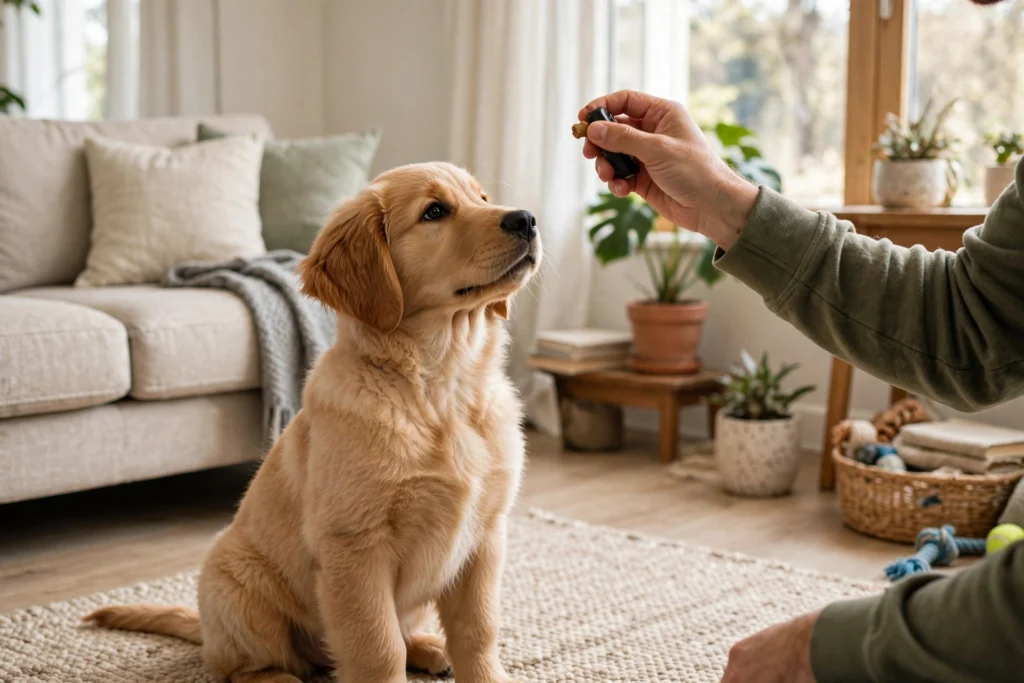
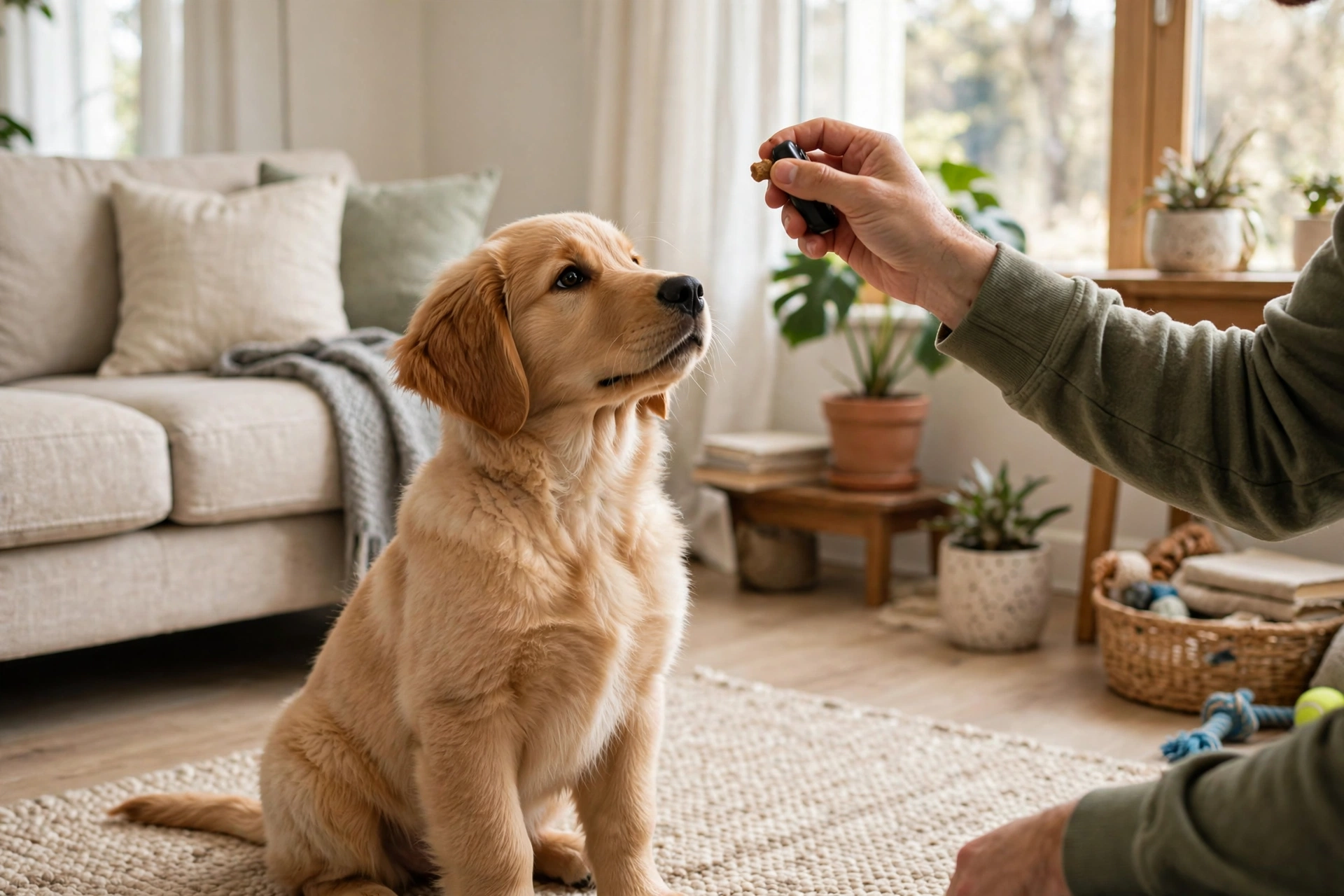
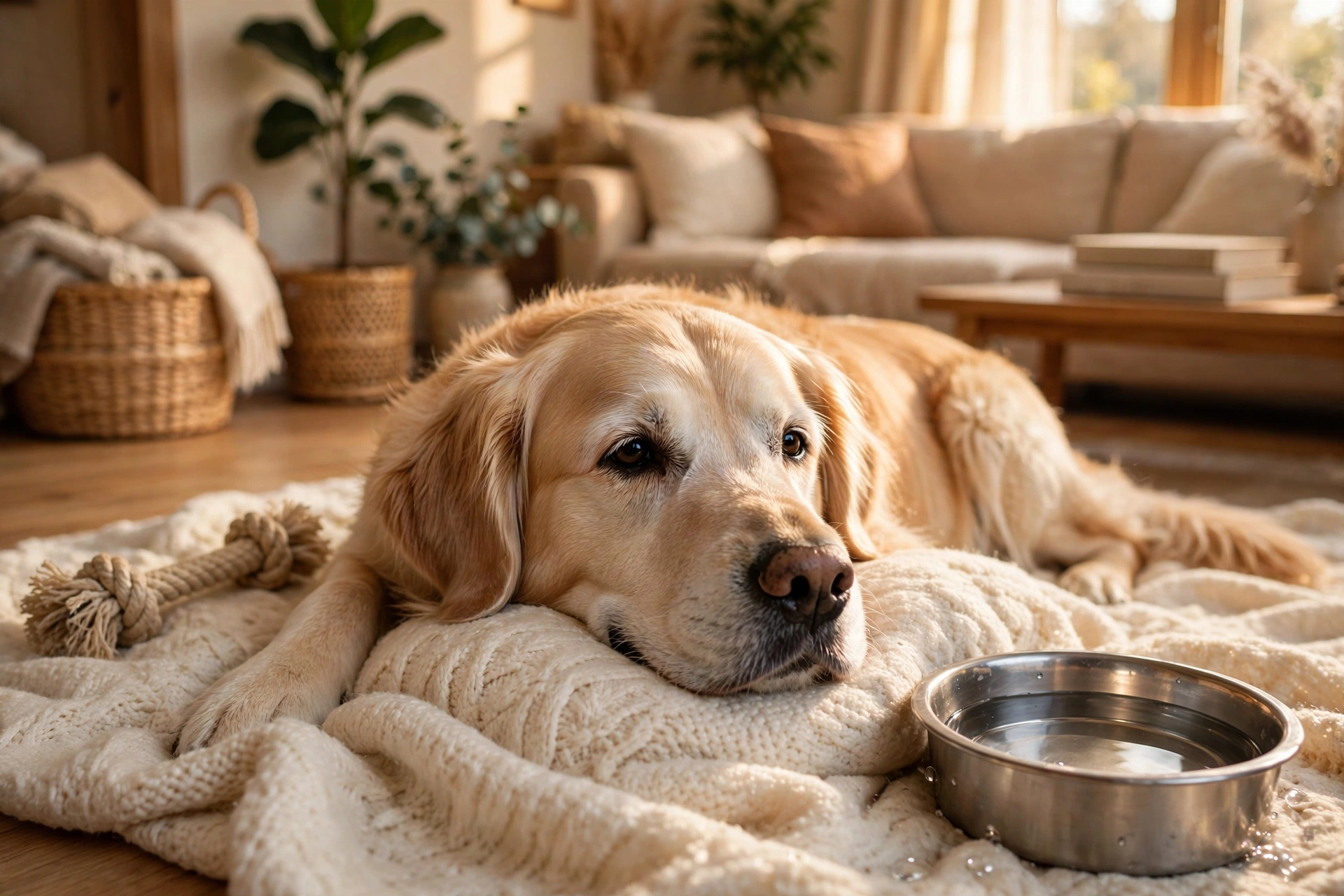
Caring for a senior dog is one of the most rewarding chapters of the human-animal bond. The gray muzzle, the slower walks, the naps in the sunny corner — small, consistent adjustments keep these years rich. Stay observant, keep communicating with your vet, and keep showing up for your dog the way they have always shown up for you. And if your family grows one day, How to Train a Puppy at Home: A Beginner’s Step-by-Step Guide covers the foundations that give a young dog the same steady start.
FAQ:
At what age is a dog considered a senior? Most dogs are considered seniors around age seven, but it varies by size: large and giant breeds may be seniors at five or six, while small breeds often do not reach senior status until eight or nine.
How often should a senior dog see the vet? Every six months, with annual bloodwork and a urinalysis. Twice-yearly exams catch developing conditions while they are still easy to manage.
Should older dogs switch to senior dog food? Usually yes, but check with your vet first. Senior formulas offer fewer calories and joint-friendly nutrition, though very active seniors may do better staying on adult food.
How much exercise does a senior dog need? Shorter, more frequent sessions — typically 15 to 30 minutes of gentle walking once or twice daily, adjusted to your dog’s comfort. Let the dog set the pace and stop before fatigue.