
Sheepdogs have played an important role in agriculture for generations, helping farmers manage livestock, protect flocks, and work across challenging terrain. While many of these dogs were originally bred for demanding farm work, their role has changed considerably as modern lifestyles and farming practices have evolved.
Today, sheepdogs can still be found working on farms and ranches, but many also live as family companions, participate in dog sports, work in service and protection roles, or simply provide active households with an intelligent and energetic companion.
Understanding the changing role of sheepdogs means looking beyond their traditional image as dogs that simply herd sheep. Their history explains many of the behaviors owners see today, including their intelligence, responsiveness, energy, problem-solving ability, and strong desire to have a job.
What Is a Sheepdog?
The term sheepdog generally refers to dogs developed to help shepherds manage sheep and other livestock. However, not every sheepdog performs exactly the same job.
Some herding dogs were bred to gather livestock and bring animals toward the handler. Others were developed to drive livestock from one location to another, while some were expected to protect animals from predators.
The American Kennel Club places many sheepdogs within the Herding Group, which includes breeds developed to control the movement of livestock. The group includes familiar breeds such as Border Collies, German Shepherd Dogs, Old English Sheepdogs, Shetland Sheepdogs, and several others.
Modern sheepdogs therefore represent a broad range of sizes, coat types, temperaments, and working styles rather than one single type of dog.
The Traditional Role of Sheepdogs
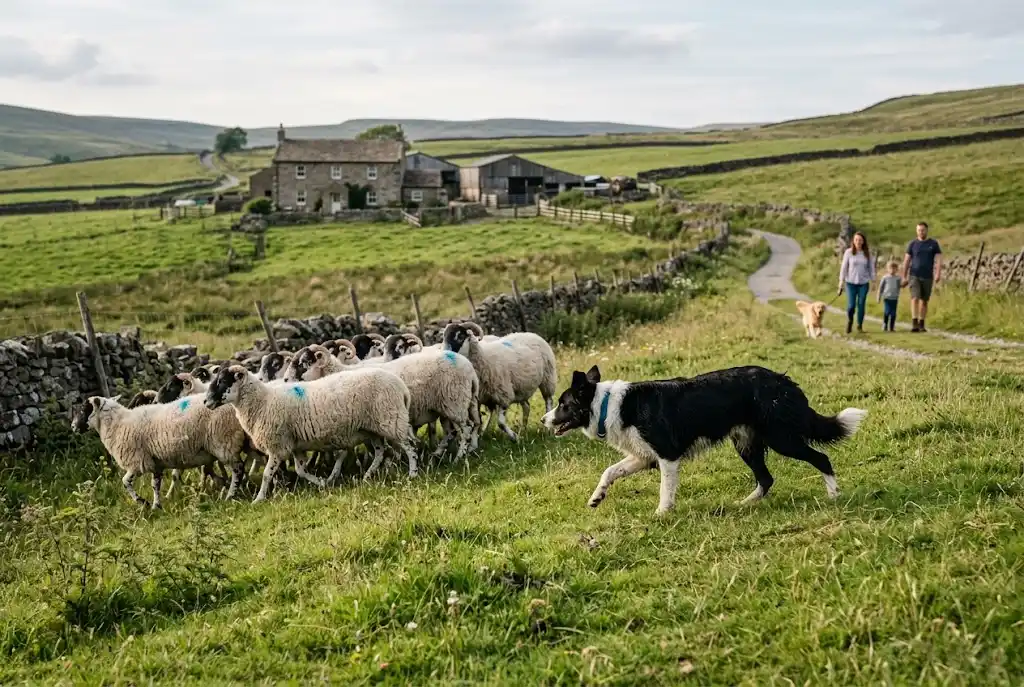
Historically, sheepdogs were working tools as well as valued farm companions. Their primary purpose was to help people manage animals efficiently across fields, hills, and other challenging environments.
Gathering Livestock
Some sheepdogs were developed to gather scattered animals and bring them toward a shepherd. This requires the dog to understand movement, distance, direction, and the behavior of livestock.
Rather than simply chasing animals, an effective herding dog learns how to position itself in relation to the flock and handler.
Driving Livestock
Other dogs were particularly useful for moving livestock from one location to another. This could involve taking animals between grazing areas, barns, markets, or other destinations.
Dogs working in this role needed stamina, confidence, responsiveness, and the ability to remain focused while surrounded by moving animals.
Controlling the Flock
Herding dogs were also expected to prevent livestock from wandering away from the group. Their ability to notice changes in animal movement made them valuable partners for farmers and shepherds.
The American Kennel Club describes herding as an instinctive ability to control the movement of other animals. Modern herding tests still evaluate whether dogs can move and control livestock through different types of exercises.
How Sheepdogs Changed Over Time
The role of sheepdogs began changing as agriculture became more mechanized and farming practices evolved.
In some regions, modern equipment, fencing, transportation, and changes in livestock management reduced the need for large numbers of traditional farm dogs. At the same time, the qualities that made sheepdogs valuable workers also made them attractive companions.
Intelligence, trainability, loyalty, athleticism, and responsiveness are useful characteristics outside farming as well. As a result, many sheepdogs moved from fields and farms into suburban and urban households.
Sheepdogs as Family Companions
One of the biggest changes in the role of sheepdogs is their transition into family life.
Many former working breeds now live primarily as household pets. Their owners may never own livestock, yet the dogs can still display behaviors inherited from generations of selective breeding.
A sheepdog may try to control the movement of children, other dogs, or even family members. Some may circle people, stare intently, chase movement, or attempt to keep everyone together.
The American Kennel Club notes that herding instincts can sometimes lead these dogs to gently herd their owners, including children.
This behavior is not necessarily a sign that something is wrong. It is often an expression of an instinct that was historically valuable to humans.
Why Sheepdogs Are Often Highly Intelligent
Herding required dogs to make decisions quickly. A dog working with livestock could not always wait for a person to give a detailed instruction for every movement.
Dogs had to observe animals, respond to changing situations, remember commands, and work cooperatively with their handlers.
That history helps explain why many herding breeds are known for their intelligence and trainability.
Our related guide on dog breeds that rank among the smartest explores the characteristics that contribute to canine intelligence and working ability.
The Border Collie and the Modern Herding Dog
The Border Collie is one of the clearest examples of a sheepdog whose traditional working abilities remain highly valued today.
Border Collies were developed to work closely with shepherds while managing sheep across large areas. Their agility, focus, responsiveness, and problem-solving ability remain central to their reputation.
Modern Border Collies can still work livestock, but many also participate in obedience, agility, herding trials, flyball, and other dog sports.
This illustrates an important part of the sheepdog’s changing role: the original working abilities have not disappeared. They have simply found new outlets.
Old English Sheepdogs and Changing Expectations
The Old English Sheepdog is another breed associated with the traditional sheepdog image. Its distinctive coat and substantial build make it visually recognizable, but its historical identity is connected to livestock work rather than appearance alone.
Today, Old English Sheepdogs are also kept as family dogs and show dogs. Their modern role demonstrates how working breeds can become part of households even when their original agricultural purpose is no longer the primary reason people choose them.
Sheepdogs in Dog Sports
Dog sports have created an important modern outlet for herding instincts.
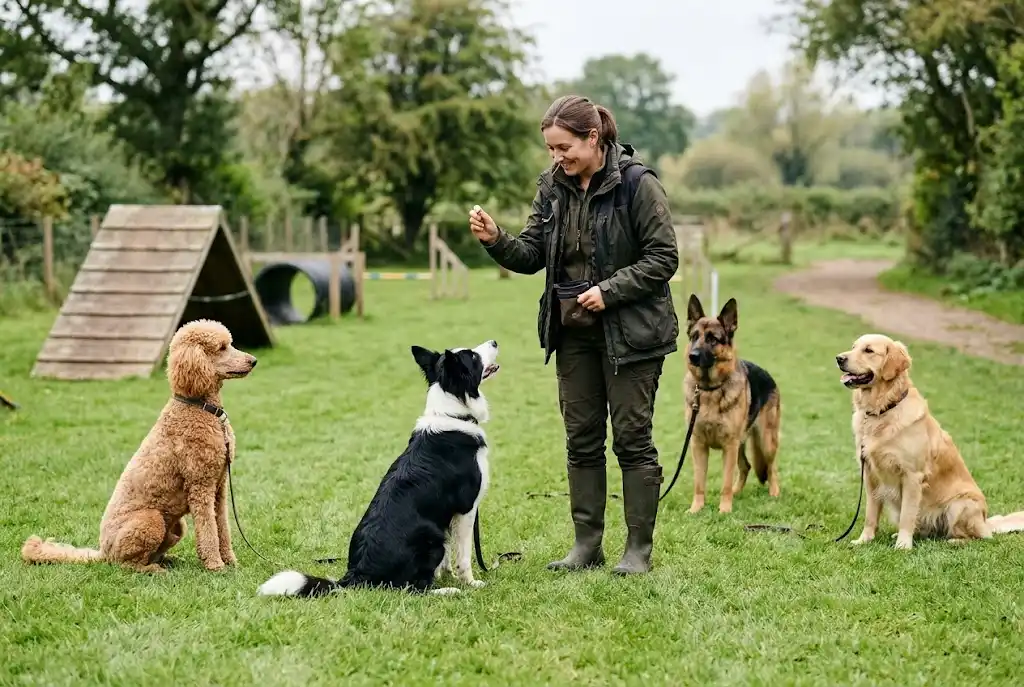
Agility, obedience, rally, herding trials, and other activities allow dogs to use their intelligence and physical abilities in structured ways.
The American Kennel Club offers herding tests and trials in which eligible dogs demonstrate their ability to move and control livestock. These activities preserve aspects of traditional sheepdog work even for dogs whose owners do not operate farms.
For energetic herding breeds, structured activities can also provide valuable mental stimulation and help prevent boredom.
Sheepdogs in Police, Protection, and Service Roles
The skills originally developed for herding can sometimes translate into other working roles.
German Shepherd Dogs, for example, are associated with police, protection, search, and other demanding jobs in addition to their historical herding background.
Belgian Sheepdogs and related Belgian herding breeds are also known for their intelligence, trainability, and willingness to work.
This demonstrates that the changing role of sheepdogs is not simply a transition from “farm dog” to “pet.” Some have moved into entirely different forms of purposeful work.
Sheepdogs and the Modern Family
Although sheepdogs can make excellent companions, their working history should not be ignored when choosing one as a pet.
A dog bred to spend hours observing and controlling livestock may not be satisfied with a short walk around the neighborhood every day.
Many herding breeds benefit from a combination of physical exercise, training, interactive play, and mental stimulation.
Owners should therefore think about whether their lifestyle provides enough opportunities for the dog to use its body and mind.
Common Herding Behaviors in Household Dogs
Sheepdogs may display behaviors that make more sense when viewed through their working history.
- Chasing movement: Fast-moving people, bicycles, children, or animals may trigger herding instincts.
- Circling: Some dogs naturally move around people or animals to control their direction.
- Staring or eyeing: Certain herding breeds use intense visual focus while controlling livestock.
- Nipping: Some dogs may attempt to control movement through heel-nipping or similar behavior.
- Following family members: A strong desire to keep the household together can appear as constant supervision.
- Alertness: Many herding breeds notice changes in their environment quickly.
These behaviors can be managed through appropriate training and enrichment. Understanding where they come from is often the first step toward working with them rather than simply trying to suppress them.
Why Mental Stimulation Matters
A sheepdog’s needs are not limited to physical exercise. Many were bred to make decisions, observe animals, follow commands, and solve problems throughout a working day.
That means a long walk may not always be enough to satisfy an active herding breed.
Training exercises, puzzle toys, scent games, obedience practice, agility, and appropriate herding activities can provide additional mental stimulation.
The goal is to give the dog constructive ways to use the abilities that generations of breeding helped develop.
From Farm Tool to Family Partner
The most important change in the role of sheepdogs is the shift from being viewed primarily as agricultural workers to being valued as partners and companions.
Modern owners may choose a sheepdog because they appreciate its intelligence, loyalty, appearance, athletic ability, or trainability rather than because they need help managing livestock.
However, the relationship works best when owners recognize that these dogs still carry many of the instincts that made them effective working animals.
Are Sheepdogs Good Family Dogs?
Many sheepdogs can be excellent family dogs, but there is no single answer for every breed or household.
Some herding breeds are affectionate, attentive, and highly responsive to their owners. Others can be intense, energetic, vocal, or highly demanding of attention.
Families should consider the individual breed’s exercise requirements, temperament, grooming needs, training requirements, and herding instincts before choosing one.
Families with young children should also understand that a dog attempting to herd children may need careful management and positive training.
The Future Role of Sheepdogs
The future of sheepdogs will probably continue to involve several different roles rather than a return to one traditional purpose.
Working farms will continue to value dogs that can genuinely control livestock. Meanwhile, other sheepdogs will participate in competitions, sports, protection work, therapy-related environments, or family life.
Herding trials and similar activities also help preserve the practical abilities for which these breeds were developed.
This balance matters because preserving working instincts and responsible companion ownership can help maintain the unique qualities that distinguish herding breeds.
How Owners Can Respect a Sheepdog’s Working Heritage
- Provide regular exercise: Match activity levels to the individual breed.
- Use mental enrichment: Give the dog opportunities to solve problems and learn new skills.
- Train consistently: Herding breeds often respond well to structured, reward-based training.
- Manage herding behavior: Redirect chasing, circling, and nipping into appropriate activities.
- Give the dog a job: Training, sports, obedience, agility, or other purposeful activities can provide an outlet.
- Research the breed: Sheepdogs differ substantially in size, temperament, energy, and working style.
Sheepdogs vs. Other Working Dogs
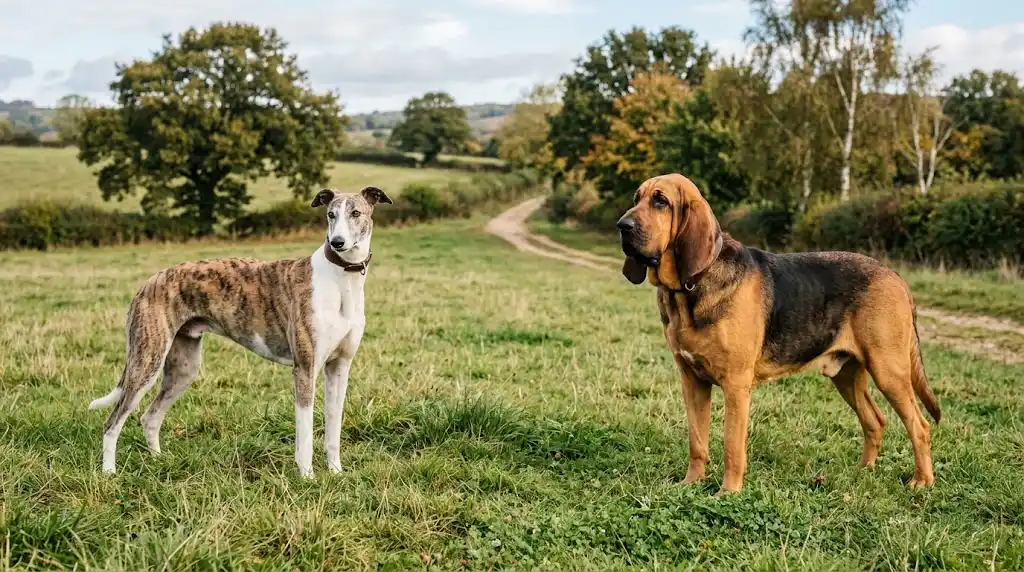
Sheepdogs are part of a broader history of dogs selectively bred to perform specific jobs. Hounds, for example, developed specialized abilities for tracking or pursuing game, while working breeds were developed for tasks such as guarding, pulling, rescue, and protection.
If you are interested in how different working histories influence modern dog behavior, read our related article on hound dogs compared with other breeds.
The comparison shows why understanding a dog’s original purpose can be useful when predicting its instincts, training preferences, and lifestyle needs.
Final Thoughts
The role of sheepdogs has changed dramatically, but their fundamental abilities remain remarkably relevant.
Once valued primarily for gathering, driving, and controlling livestock, sheepdogs now serve in many different roles. They continue to work on farms, compete in herding events and dog sports, support demanding professional tasks, and live as beloved family companions.
Their history also explains why these dogs can be so intelligent, energetic, responsive, and instinct-driven. Modern owners may not need a sheepdog to manage a flock, but they still need to understand the working instincts that generations of breeding have preserved.
Ultimately, the changing role of sheepdogs is not about replacing their original purpose. It is about finding new ways for their remarkable abilities to remain useful and meaningful in the modern world.