

“Fashion is not something that exists in dresses only. Fashion is in the sky, in the street, fashion has to do with ideas, the way we live, what is happening.” – Coco Chanel
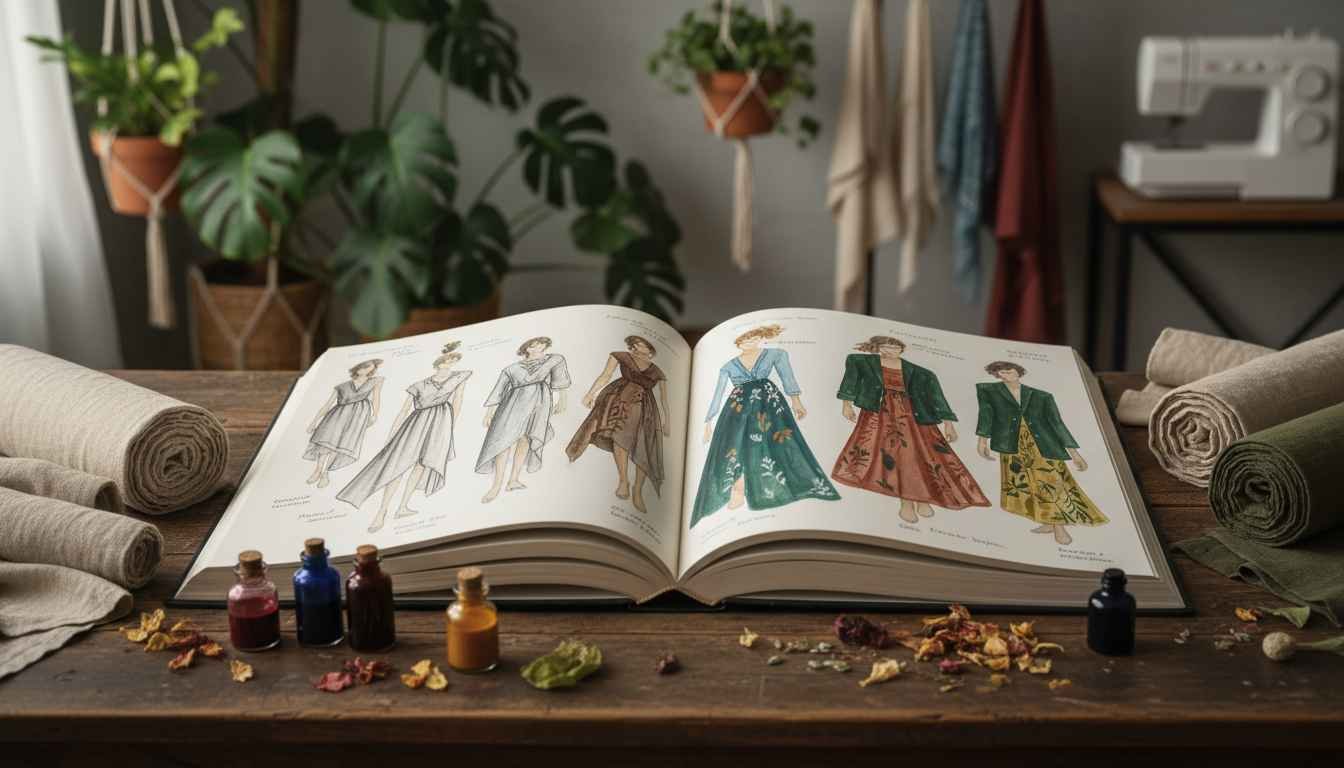
Confession: I’ve always been fascinated by the world of fashion designers, even as someone devoted to sustainability. The allure of exquisite craftsmanship, daring silhouettes, and the stories woven into every stitch is undeniable. Yet, diving into a book of fashion designers feels like stepping into a paradoxical universe – one where creativity meets environmental consequence. My journey exploring these pages has been eye-opening, sobering, and occasionally inspiring.
From the early innovators who shaped haute couture to contemporary designers who champion sustainable practices, a book chronicling fashion designers becomes more than just a directory of names. It is a lens through which we can understand how style intersects with culture, society, and even the planet. When I first opened one, I expected glossy photos and dramatic sketches. What I found was a revelation: the painstaking hours of pattern making, the unrelenting pressure to innovate, and the ethical decisions hidden behind each collection.
As a sustainability advocate, I immediately scanned the narratives for environmental awareness – or the glaring lack thereof. It was refreshing to see designers integrating eco-friendly fabrics, ethical sourcing, and transparent supply chains, proving that luxury and responsibility can coexist. For anyone curious about the breadth of this industry, a LeatherUp USA style perspective can be enlightening; even within the motorcycle apparel niche, designer-level attention to detail meets durability and conscience.
The Evolution of Fashion Designers: From Artisans to Visionaries
The history of fashion design is a story of evolution and ambition. Early fashion designers were often artisans, working quietly behind the scenes, crafting garments for royalty and the elite. Their work demanded precision, yet rarely did they receive public recognition. Fast forward to today, and the modern designer is as much a celebrity as a creator, with social media amplifying their influence worldwide.
But herein lies my conflict. The industry’s glamour often overshadows the environmental and social costs. Synthetic fabrics, high carbon footprints, and fast fashion iterations threaten the planet. A conscientious reader flipping through a book of fashion designers must navigate the tension between admiration and accountability. Knowing the environmental implications behind a stunning runway collection is part of what makes this exploration complex and honest.
Why a Book of Fashion Designers Matters
Some might dismiss these books as mere coffee-table ornaments. I confess, I once thought the same. But the stories contained within reveal the philosophy, creativity, and struggles that define fashion’s pioneers. Designers are not just creators of garments – they are cultural narrators, social commentators, and sometimes, environmental rebels.
Reading about Coco Chanel’s audacity, Alexander McQueen’s theatrical visions, or Stella McCartney’s eco-conscious advocacy, I realized that a book of fashion designers is a map of human ingenuity. It provides lessons not only on aesthetics but also on decision-making, resilience, and ethics.
Myth-Busting Sidebar
Myth: Fashion designers are only concerned with glamour and profits.
Reality: Many designers, especially in the modern era, actively incorporate sustainability, ethical sourcing, and social responsibility into their work. A book of fashion designers often highlights these pioneers who challenge the norm.
How Sustainability Shapes Contemporary Design
In the past decade, I have seen an encouraging shift in designers who prioritize sustainability without sacrificing style. The modern fashion designer often experiments with innovative materials: organic cotton, recycled fibers, and biodegradable textiles. These designers prove that environmental consciousness can coexist with bold creativity.
As I leafed through the pages of various fashion books, I noted how designers address longevity over trendiness, investing in timeless pieces instead of ephemeral fads. The story of each designer becomes an allegory for how conscious choices can redefine an industry often criticized for excess.
Alternative Options for Every Budget
Not everyone can afford a high-end designer wardrobe, and that’s okay. A book of fashion designers serves as inspiration more than a shopping guide. Affordable alternatives exist: eco-conscious brands offering stylish apparel at accessible prices, vintage and second-hand options, and even DIY approaches to repurposing fabrics. Each pathway allows readers to engage with designer principles without compromising their sustainability ethics or financial constraints.
Potential Drawbacks: Who Should Avoid This?
While a book of fashion designers can be illuminating, it is not for everyone. Individuals expecting step-by-step fashion tutorials or a quick-fix guide to trend mastery may find it frustrating. Those seeking only glamour without context may feel overwhelmed by discussions of supply chains, labor ethics, and environmental responsibility. This book demands attention, reflection, and sometimes, the humility to reconsider one’s personal consumption habits.
Lessons from Designers Who Inspire Change
Among my favorites are designers who have embraced transparency and innovation. They demonstrate that fashion can be a force for positive change. By studying their trajectories, readers – especially aspiring designers – gain insight into balancing artistry, commerce, and conscience. It becomes clear that every choice, from fabric selection to marketing strategy, carries implications beyond the runway.
Another revelation is the role of storytelling in fashion. Designers often embed narratives of heritage, culture, and personal philosophy in their collections. A book of fashion designers captures this depth, showing that a garment is not merely a commodity but a vessel for expression and, increasingly, environmental responsibility.
Integrating Sustainability into Your Fashion Perspective
After spending months immersed in the lives of designers, I can say that sustainability is not a constraint – it is an opportunity. Even within niches like motorcycle apparel, the integration of durable, responsibly sourced materials transforms functional gear into a statement of ethics. Every reader can carry lessons from designer books into their wardrobe choices, advocating for longevity, quality, and mindfulness over impulsive consumption.
Final Reflections
Confessing my journey through a book of fashion designers feels like sharing a personal diary. These books reveal the creative genius, ethical dilemmas, and relentless passion of the individuals shaping fashion’s landscape. They remind me that admiration does not require blind acceptance; it can coexist with critical thinking and environmental stewardship.
If there is a single takeaway, it is this: fashion is a dialogue, and designers are the eloquent voices that guide it. Whether you seek inspiration, knowledge, or a roadmap for more sustainable choices, exploring their stories can be transformative. These books are not just collections of names and images – they are a testament to the human spirit, creativity, and the possibility of change.
So, if you pick up a book of fashion designers today, approach it with curiosity, responsibility, and a critical eye. Allow it to inform not only your sense of style but also your ethical compass, whether your journey is through couture halls or the practical aisles of motorcycle gear.


