
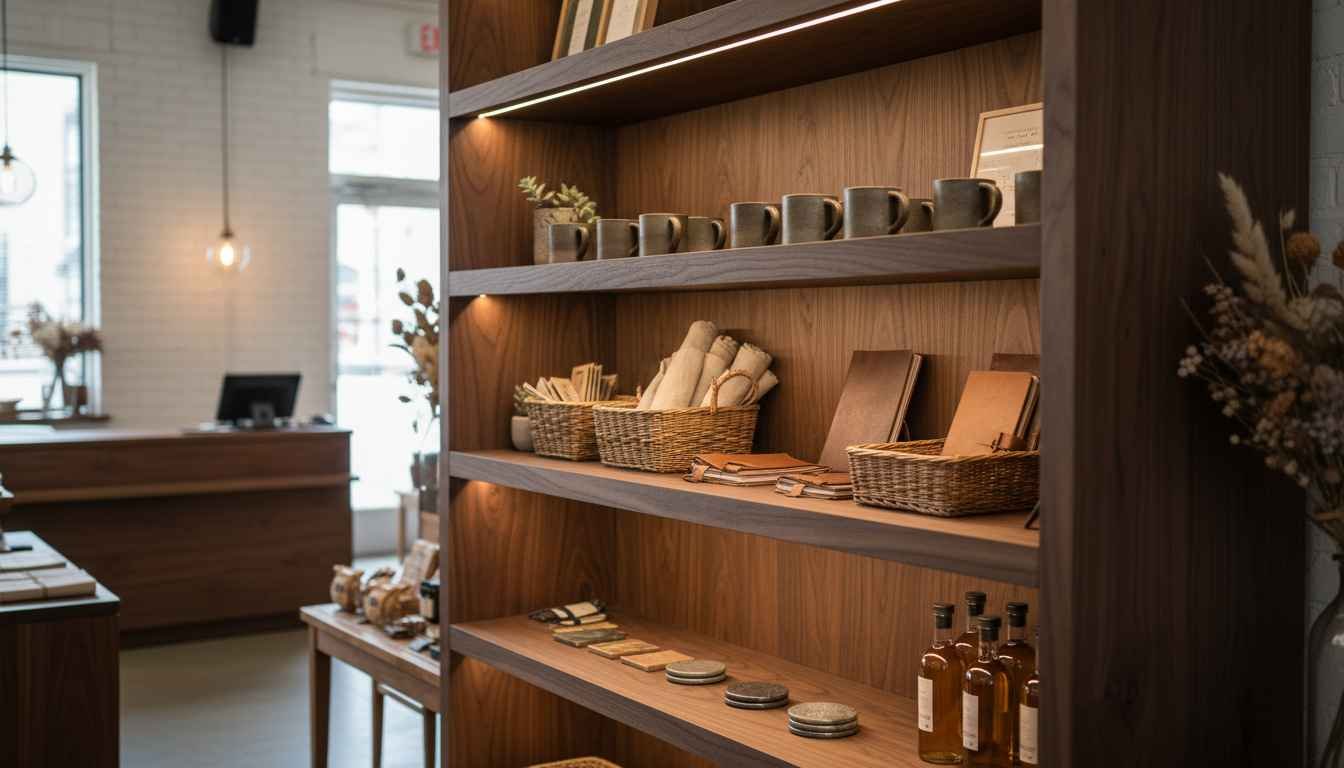

On January 1st, 1910, the first department store to feature a fully integrated retail display system opened in New York City. This innovative use of shelving changed the way customers interacted with products and created an immersive shopping experience that would shape retail spaces for decades. The evolution of retail shelving has come a long way since then, with one key element remaining unchanged: the materials used for shelving. Wood continues to be one of the most trusted materials in creating displays that are not only functional but also aesthetically pleasing.
In today’s competitive retail landscape, ensuring that your products are displayed in a way that attracts customers is essential. For pipe retailers, such as those at Smokingpipes.com, the right retail shelving wood can significantly enhance the customer experience. Whether it’s showcasing an array of tobacco pipes, accessories, or other merchandise, the choice of wood can influence the ambiance of the space and the consumer’s buying decision.
Why Retail Shelving Wood Matters
Retail shelving is more than just a place to store products. It serves as a visual tool that attracts customers, creates brand identity, and enhances the shopping experience. The choice of material for shelving plays a significant role in achieving these goals, with wood being a timeless favorite among retailers. Wood’s natural warmth and texture lend themselves well to creating a welcoming and sophisticated retail environment.
Research shows that consumers are more likely to purchase products when they are displayed on quality shelving. In a study by the National Retail Federation, 70% of customers stated that the way products are displayed directly influences their shopping decisions. This statistic highlights the importance of choosing the right retail shelving wood. Whether it’s oak, walnut, or maple, wood offers a high-end look that elevates any retail space, particularly for niche markets like tobacco pipes.
The Different Types of Wood for Retail Shelving
Not all wood is created equal. When selecting retail shelving wood, you’ll want to consider the aesthetic qualities, durability, and cost of different options. Below are some of the most popular choices for retail shelving:
- Oak: Known for its durability and attractive grain pattern, oak is a popular choice for retail displays. It provides a strong and solid base that can support a wide range of products.
- Maple: Maple has a light, clean finish that offers a contemporary and minimalist look. It’s an excellent choice for stores aiming for a modern and streamlined aesthetic.
- Walnut: Walnut is a premium wood that offers a rich, dark finish. It’s ideal for retailers who want to create a luxurious and sophisticated environment.
- Pine: Pine is a more affordable option that still offers good quality. It is lighter in color and offers a rustic charm that fits well in more casual or vintage-style retail spaces.
Considerations When Choosing Retail Shelving Wood
When selecting the right wood for your retail shelving, there are several key factors to consider:
- Durability: Retail shelving must endure regular use and heavy traffic. Opt for woods like oak and maple that can withstand the test of time.
- Finish: The finish of the wood can dramatically affect the appearance of the shelving. Whether you choose a natural finish or a stained look, ensure that it aligns with your store’s brand and atmosphere.
- Weight: Consider the weight of the wood and the types of products you’ll be displaying. Heavier woods like walnut can support larger, bulkier items, while lighter woods may be more appropriate for delicate accessories.
- Cost: Wood shelving can be an investment, and cost is a crucial factor. Be sure to balance your budget with the quality and aesthetics required for your space.
Who Should Avoid This?
While wood shelving is a popular choice, it may not be the right option for every retail space. If your store experiences high humidity or temperature fluctuations, wood may not be the best material, as it can warp or deteriorate over time. Additionally, if you operate on a tight budget, more affordable alternatives like metal or plastic shelving might be better suited to your needs.
For pipe shops like those found at Smokingpipes.com, however, wood is often a preferred option due to its ability to complement the craftsmanship and luxury associated with tobacco pipes and accessories. The warmth and texture of wood align perfectly with the premium quality of products like those sold at Smokingpipes, ensuring that each item is showcased in the best light possible.
Case Study: The Power of Wood in Retail Shelving
One retail store that has successfully utilized wood shelving is “Pipe Dream,” a family-owned tobacco store in Asheville, North Carolina. By incorporating custom walnut shelving throughout their store, they were able to enhance the luxury feel of their shop while also providing a robust and functional display system for their wide range of tobacco products and accessories. This decision led to a 15% increase in sales within the first six months, with customers noting that the store’s inviting, warm atmosphere made them more likely to return. This case study demonstrates the significant impact that the right shelving material can have on retail success.
Conclusion
Retail shelving wood is more than just a display tool; it is a critical element in shaping a store’s environment and enhancing the customer experience. For tobacco retailers like those at Smokingpipes.com, selecting the right wood is vital for creating a space that is not only functional but also aligned with the luxury and craftsmanship of the products being sold. Whether you opt for the warmth of oak, the elegance of walnut, or the simplicity of maple, wood shelving can be a valuable investment in your retail success.


