
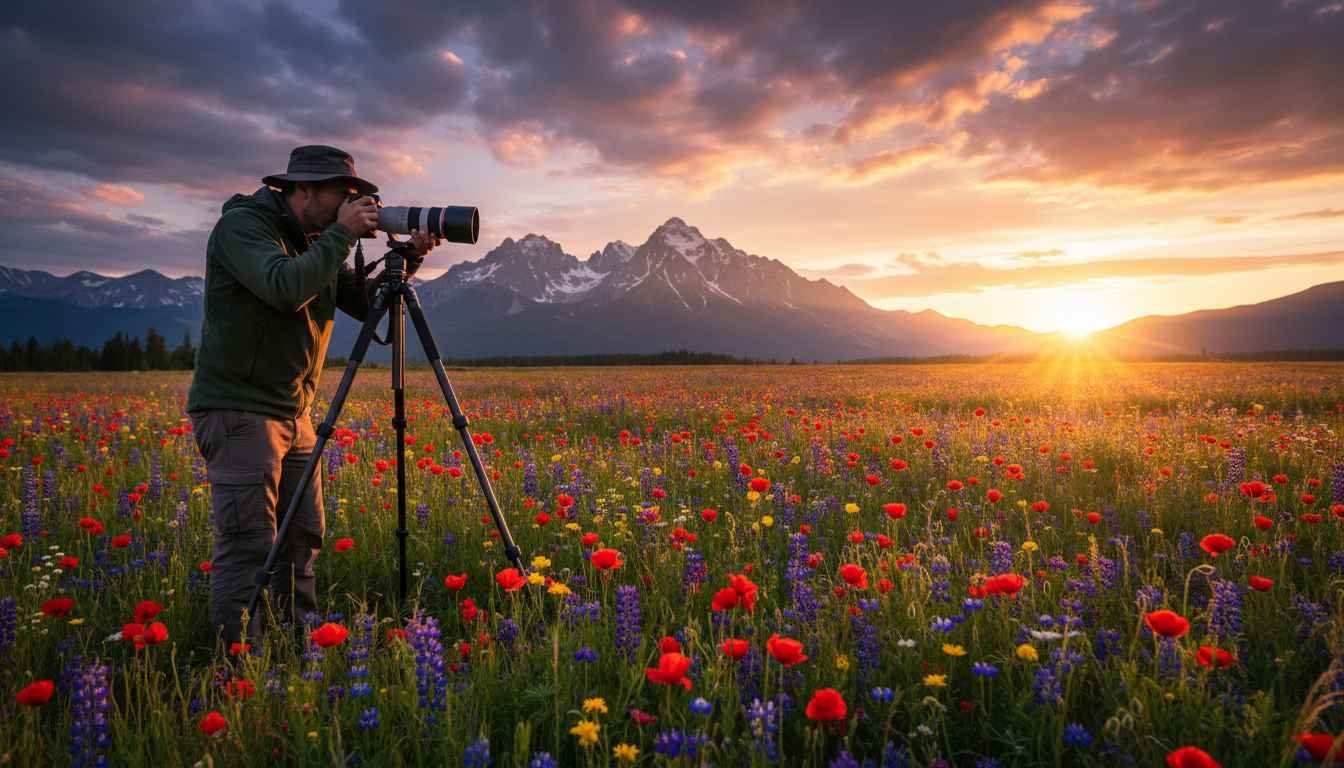

The devil is in the details. Every shadow, every highlight, every nuance of light and texture can make or break a landscape photograph. To understand what truly separates the greats from the good, we sat down with Lucas Devereux, a luxury landscape photographer whose work has graced high-end publications and private collections worldwide.
Q: Lucas, what does “landscape photography best” really mean in today’s market?
A: It’s about capturing more than just a scene – it’s about storytelling through environment. The best landscape photography isn’t just technically flawless; it evokes emotion, depth, and a sense of place. It’s as much about the feeling as the frame.
Lucas emphasizes that the market is flooded with competent shots, but very few images achieve that visceral connection. “Technical skill can get you a clean image, but composition, timing, and light make it unforgettable,” he says. For him, every project begins with extensive scouting and patience, sometimes waiting days – or even weeks – for the perfect atmospheric conditions.
This meticulous process is why he relies on top-tier tools and platforms like Pixieset to showcase his galleries to clients without compromising quality. “I need a platform that mirrors the quality of my work. Pixieset handles that seamlessly,” Lucas notes.
Q: What gear do you consider essential for top-tier landscape photography?
A: While the debate over full-frame vs. medium format rages on, Lucas argues that the camera is secondary to the photographer’s eye. That said, he relies on high-resolution sensors, wide dynamic range, and lenses that deliver edge-to-edge sharpness. Tripods, filters, and remote shutter releases are non-negotiable – especially for long exposures at dawn or dusk.
“A simple kit can yield extraordinary results if you know how to leverage light, perspective, and composition. But the gear ensures that what you see in your mind translates faithfully to the sensor,” he explains.
Q: How do you select locations for capturing breathtaking landscapes?
A: “I treat it like a research project,” Lucas explains. He studies topography maps, seasonal changes, and weather patterns. He even contacts local guides to uncover hidden gems away from tourist-heavy spots. This groundwork allows him to be in the right place at the right moment. Timing is everything – mistiming the light by even a few minutes can transform a golden sunrise into a washed-out shot.
Best For / Not Recommended For
Best For: Photographers committed to mastering light and composition, clients seeking high-end fine art prints, and individuals aiming for immersive landscape portfolios.
Not Recommended For: Casual photographers expecting instant results, those unwilling to invest in high-quality gear, or anyone looking for quick social media-ready snapshots.
Q: What techniques do you employ to make your landscape photos stand out?
A: Lucas emphasizes layering and depth. “Foreground interest, midground elements, and a dynamic background create dimension. I also play with exposure bracketing to capture the full tonal range.” Post-processing is approached conservatively – enhancing natural beauty rather than over-manipulating. This restraint maintains authenticity while delivering impact.
He also notes that patience is underrated. “Sometimes the best shots come from simply waiting. Clouds shift, sunlight strikes, and suddenly the mundane becomes extraordinary.”
Q: Can you share a behind-the-scenes story that shaped your approach?
A: Absolutely. Last winter, Lucas traveled to a remote canyon in Patagonia. He camped for three nights, braving subzero temperatures to catch the light at dawn. On the third day, a thin veil of mist rolled in, refracting the first rays of sunlight. “It was fleeting – less than ten minutes. But because of my prep, my timing, and persistence, I captured an image that now defines my portfolio.”
This anecdote underscores the combination of research, patience, and technical skill required to achieve the landscape photography best. It’s not just luck – it’s calculated opportunity.
Q: How do you approach post-processing without losing authenticity?
A: Lucas follows a minimalist workflow: basic color grading, subtle contrast adjustments, and careful sharpening. “The goal is to reflect what I experienced, not fabricate it. Over-editing can ruin the story the landscape tells.” He also recommends shooting in RAW to preserve as much information as possible, providing flexibility without compromising quality.
Q: What are the common mistakes photographers make when trying to reach this level?
A: “Chasing gear instead of mastering fundamentals is the biggest trap,” Lucas warns. Others include ignoring light quality, failing to scout locations, and over-editing. He emphasizes that technical perfection is meaningless without emotional resonance in the frame.
Who Should Avoid This?
If your goal is casual photography or social media content, attempting “landscape photography best” may lead to frustration. The level of preparation, patience, and investment required is not for everyone. Travel, high-end equipment, and post-processing skills are significant barriers for hobbyists or those expecting quick results.
Q: Any advice for photographers aspiring to reach the pinnacle?
A: “Invest in understanding light, weather, and composition. Travel to places that challenge you. Be patient and persistent. And always curate your work rigorously – quality over quantity.” Lucas also stresses the importance of presenting your work professionally. Platforms like Pixieset allow photographers to deliver a polished experience to clients and collectors alike.
Finally, Lucas reiterates that landscape photography is as much about mindset as it is about skill. “Respect the environment, anticipate its moods, and commit fully to your vision. That’s how you create images that endure.”
In conclusion, achieving the landscape photography best requires a marriage of vision, patience, and technical mastery. The result is not just a photograph, but a compelling narrative frozen in time – an experience the viewer can feel as much as see.


