
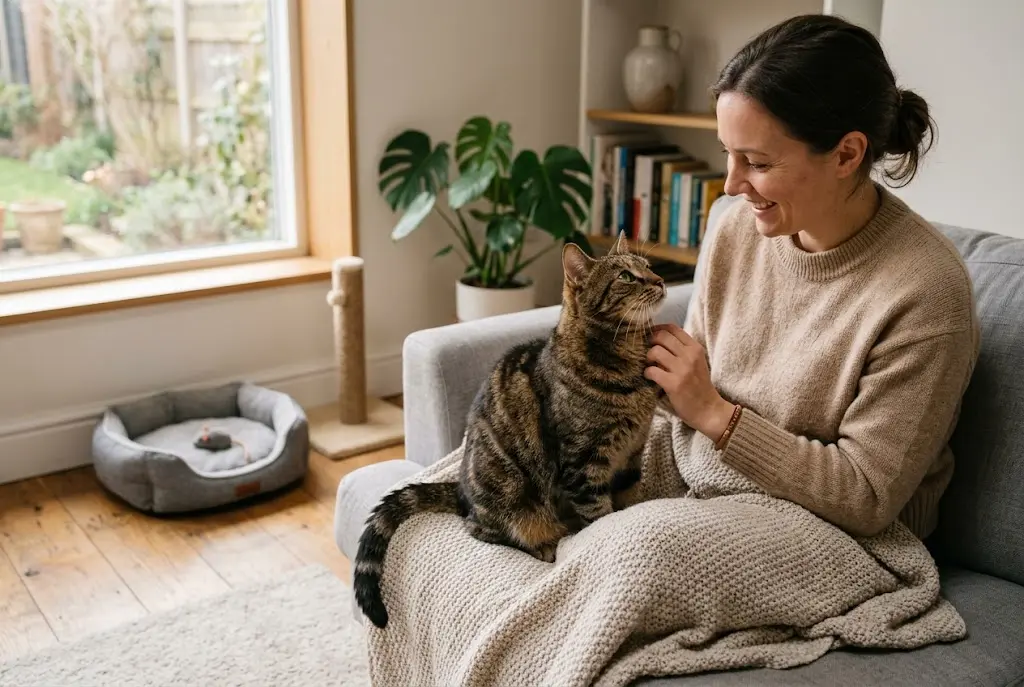

Cats are often described as independent, mysterious, and self-sufficient. Yet living with a cat can offer much more than simple companionship. The relationship between people and cats can involve affection, routine, emotional comfort, responsibility, play, and a unique form of communication.
The original page associated with this URL contains placeholder text and does not provide a meaningful explanation of its title. The page is currently categorized under Cats, so this refreshed article develops the topic around the deeper relationship between cats and their human companions while preserving the existing URL.
For many cat owners, the reward of living with a cat is not something that can be measured in a single benefit. It comes from the everyday relationship: a cat greeting you at the door, settling beside you, playing with a favorite toy, or quietly sharing the same space.
What Makes the Relationship With a Cat Special?
Cats have a different social style from many other companion animals. They can be affectionate without demanding constant attention, playful without needing entertainment every minute, and independent while still developing strong bonds with their owners.
This balance is one reason cats can fit into a wide variety of households.
A cat may spend part of the day exploring, resting, grooming, or watching its surroundings, then seek interaction when it feels comfortable. Learning to recognize these patterns can help owners build a more respectful and rewarding relationship.
Love Is Not Always Expressed the Same Way
One common misunderstanding about cats is that they are not affectionate because they do not always behave like dogs.
But feline affection can be subtle.
A cat may demonstrate trust by:
- Choosing to sit near you
- Sleeping in the same room
- Rubbing against your legs
- Slowly blinking while looking at you
- Following you around the home
- Gently touching you with its head
- Relaxing in your presence
- Seeking attention when it feels comfortable
These behaviors can communicate familiarity and trust without requiring constant physical contact.
The Reward of Building Trust
One of the most meaningful aspects of living with a cat is watching trust develop over time.
A newly adopted cat may initially hide, avoid handling, or remain cautious around unfamiliar people. With patience, predictable routines, appropriate food, play, and a safe environment, many cats gradually become more comfortable.
The process can be especially rewarding because the relationship develops through the cat’s own choices.
Instead of forcing interaction, owners can allow the cat to approach at its own pace. Respecting boundaries can ultimately create a stronger bond.
Cats Bring Routine Into Everyday Life
Cats can also create a surprisingly consistent daily rhythm.
Feeding, grooming, play, cleaning the litter box, and regular observation become part of the household routine.
For many owners, these small responsibilities create structure. The cat becomes part of everyday life rather than something that is only noticed when attention is needed.
That routine can also help owners notice changes in behavior. A cat that suddenly eats less, hides more often, stops grooming normally, or changes litter-box habits may be experiencing a health or environmental problem.
Play Is More Than Entertainment
Play is an important part of a cat’s life. It provides physical activity and can also give cats opportunities to express natural behaviors such as stalking, chasing, pouncing, and investigating.
Interactive toys can encourage cats to move and think. Wand toys, appropriately sized balls, puzzle feeders, and other enrichment activities can help make indoor environments more interesting.
Short play sessions can be particularly useful because many cats naturally prefer bursts of activity followed by rest.
The Importance of Mental Stimulation
A cat’s environment can influence its overall well-being.
An indoor cat may have fewer opportunities to explore than a cat living in a safe outdoor environment. Owners can compensate by providing suitable enrichment inside the home.
Useful options include:
- Window perches
- Cat trees
- Scratching posts
- Interactive toys
- Puzzle feeders
- Safe hiding spaces
- Rotating toys rather than leaving everything available at once
- Supervised interactive play
The goal is not to fill the home with expensive equipment. Even simple changes can provide opportunities for exploration and activity.
Cats Communicate in Their Own Way
Understanding feline communication can make the relationship much easier.
Cats communicate through body posture, facial expressions, vocalizations, scent marking, movement, and behavior.
A relaxed cat may have a loose body posture, naturally positioned ears, and calm movements. A frightened or stressed cat may crouch, flatten its ears, hide, or attempt to create distance.
Learning these signals helps owners understand when a cat wants interaction and when it needs space.
Why Respecting Boundaries Matters
Affection should not mean forcing a cat to accept handling.
Some cats enjoy being picked up, while others strongly prefer keeping all four paws on the ground. Some like long periods of petting, while others prefer brief interactions.
Respecting individual preferences can reduce stress and help build trust.
When a cat moves away, repeatedly flicks its tail, changes posture, or shows other signs of discomfort, giving it space can be more productive than continuing the interaction.
The Emotional Connection Between Cats and People
Companion animals can become important parts of people’s daily lives. Cats can provide companionship through quiet presence, familiar routines, and repeated interaction.
For someone who spends a lot of time at home, simply having another living being nearby can make the environment feel less empty.
However, cats should not be viewed as emotional tools. They are individual animals with their own needs, preferences, and welfare requirements. The strongest relationship develops when companionship works in both directions: people provide responsible care, and the cat becomes a valued member of the household.
Caring for a Cat Is Part of the Reward
The positive experience of owning a cat comes with responsibility.
Good cat care includes:
- Providing appropriate nutrition
- Keeping fresh water available
- Maintaining clean litter areas
- Providing safe resting spaces
- Offering regular play and enrichment
- Monitoring changes in behavior
- Scheduling appropriate veterinary care
- Maintaining grooming according to the cat’s needs
- Keeping potentially dangerous household substances away from the cat
Responsible care is not separate from companionship. It is one of the main ways owners demonstrate commitment to the animal.
Choosing the Right Food
Nutrition is one of the foundations of responsible cat ownership.
Rather than choosing food solely because the packaging looks appealing, consider whether the product is appropriate for cats, suitable for the animal’s life stage, and compatible with any veterinary dietary recommendations.
Ingredient lists can also be confusing, especially when owners encounter unfamiliar names. Our guide to ingredients you should avoid in pet food explains why pet owners should evaluate food safety in context instead of automatically treating every unfamiliar ingredient as harmful.
Cats Need More Than Food and Shelter
Food, water, and a safe home are essential, but cats also need opportunities to behave like cats.
They may need places to climb, scratch, hide, observe, explore, and play.
Providing these opportunities can be especially important for indoor cats because their environment may otherwise become predictable and unstimulating.
A well-designed home does not have to be large. Vertical space, quiet resting areas, scratching surfaces, and interactive play can make a significant difference.
Why Cats Can Be Good Companions for Busy Households
Cats can suit households that appreciate an animal with a relatively independent lifestyle.
Unlike some dogs, many cats do not require outdoor walks several times a day. They can use indoor litter facilities and spend significant periods resting.
However, independence should never be confused with low maintenance.
Cats still require daily care, interaction, environmental enrichment, health monitoring, and responsible ownership.
The Personality of Every Cat Is Different
Breed can influence certain physical and behavioral tendencies, but individual personality varies considerably.
One cat may be outgoing and highly social. Another may be cautious and prefer quiet spaces. Some cats are playful well into adulthood, while others are naturally calmer.
Age, early experiences, environment, socialization, and individual temperament can all influence behavior.
That is why comparing one cat directly with another can sometimes create unrealistic expectations.
What Cats Teach Their Owners
Living with a cat can encourage people to become more observant.
Because cats can communicate discomfort subtly, owners often learn to pay attention to small behavioral changes.
They may also learn patience. A cat that does not immediately trust a new person cannot simply be ordered to become comfortable. Building the relationship may require time and consistency.
These qualities can make living with a cat a rewarding experience beyond simple entertainment.
Cats as Part of the Family
For many households, a cat eventually becomes more than a pet.
The animal becomes part of the household routine and develops familiar relationships with the people around it.
Family members may know which toy the cat prefers, where it likes to sleep, when it normally becomes active, and how it asks for food or attention.
These small details are what turn pet ownership into a long-term relationship.
Our related article on why pets are like family explores the broader emotional connection people develop with companion animals.
Common Mistakes Cat Owners Should Avoid
Ignoring Changes in Behavior
Sudden changes in appetite, activity, grooming, elimination, or social behavior should not automatically be dismissed as moodiness. If a change is persistent or concerning, consult a veterinarian.
Providing Too Little Enrichment
Food and shelter alone may not provide enough stimulation for an active indoor cat.
Forcing Interaction
Allow cats to establish their own comfort level with handling and social contact.
Changing Food Too Quickly
Sudden dietary changes can cause digestive problems in some cats. When a diet change is necessary, follow appropriate transition guidance and consult your veterinarian when needed.
Ignoring the Litter Box
A clean, accessible litter area is an important part of feline care. Changes in litter-box behavior can also sometimes signal a health issue.
How to Build a Stronger Relationship With Your Cat
- Create predictable routines: Keep feeding, play, and household routines reasonably consistent.
- Learn body language: Watch for signs that your cat wants interaction or space.
- Use positive interaction: Reward calm and desirable behaviors rather than forcing contact.
- Provide enrichment: Give your cat safe opportunities to play, climb, scratch, and explore.
- Spend quality time together: Even short daily play sessions can strengthen familiarity.
- Respect individuality: Do not expect every cat to have the same personality.
- Monitor health: Pay attention to changes that may indicate a problem.
Something Beyond Love and Reward
The relationship between people and cats is difficult to reduce to a single benefit.
Yes, cats can provide companionship and affection. They can also encourage routine, offer opportunities for play, create a sense of responsibility, and become familiar members of the household.
The real reward may be the relationship itself.
A cat does not need to perform tricks, constantly seek attention, or behave like another type of pet to be valuable. Its quieter personality and independent nature can be part of what makes the relationship special.
Final Thoughts
Cats can bring something meaningful to everyday life beyond simple love or a predictable reward. They offer companionship in their own way and invite people to develop patience, observation, responsibility, and respect for another animal’s individual personality.
The strongest bond does not come from forcing affection. It develops through consistent care, appropriate nutrition, enrichment, health monitoring, play, and respect for boundaries.
When owners understand how cats communicate and what they need to feel secure, everyday interactions can become much more rewarding. The result is not simply having a pet in the home, but building a genuine relationship with an animal that has its own personality, preferences, and place within the family.