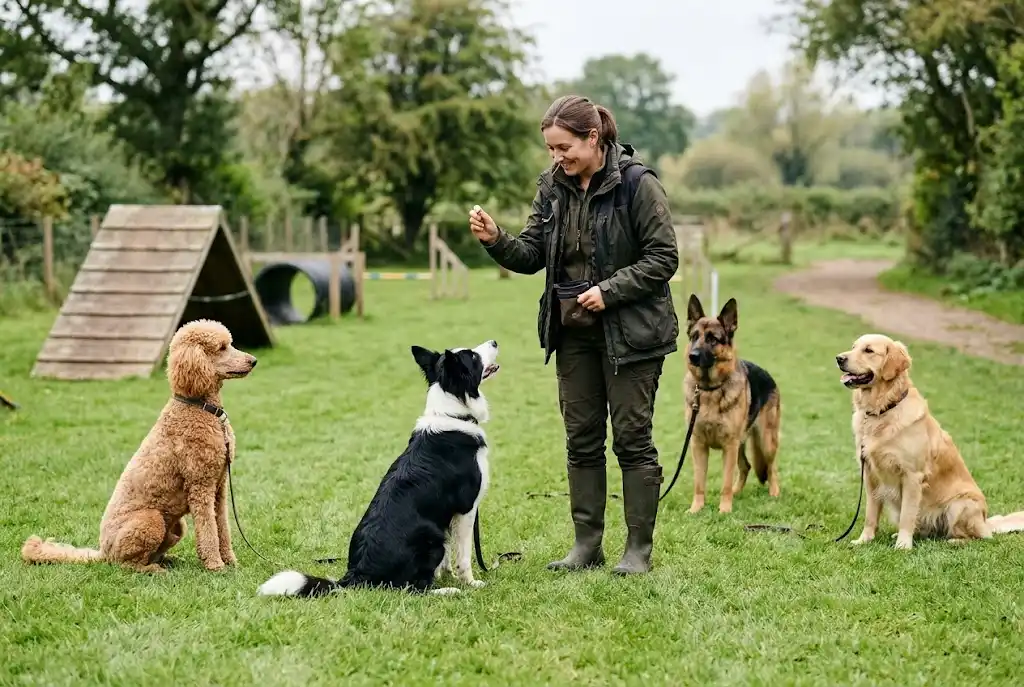
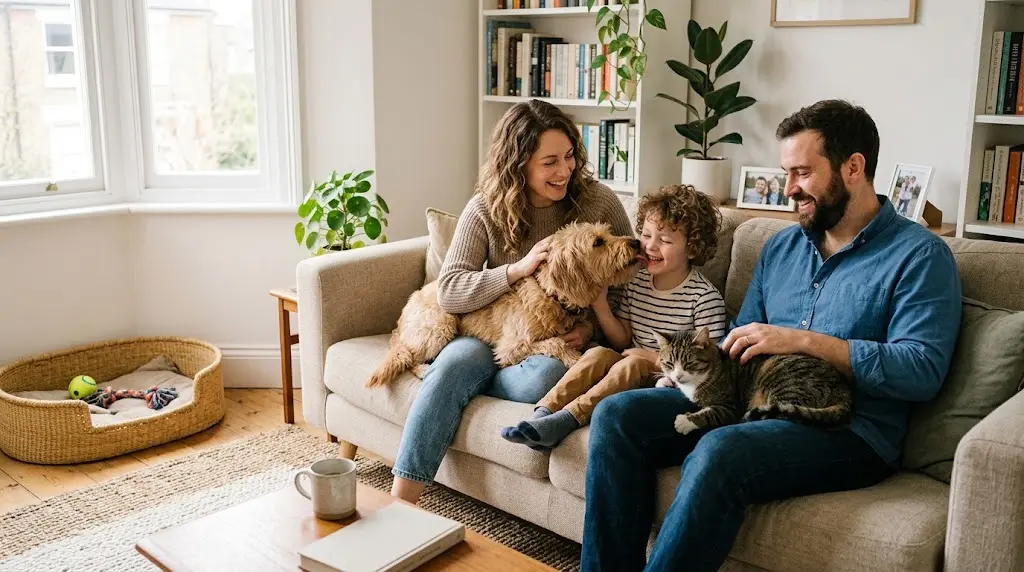

From morning walks and playtime to quiet evenings at home, pets can bring structure and companionship to ordinary days. Here is why so many people enjoy sharing their homes and lives with animals.
Why Do We Love Living With Pets?
One of the simplest reasons people love pets is companionship. A pet can be there when the house is quiet, greet you when you return home, and become part of your daily routines.
The human-companion animal bond can also provide emotional benefits. The ASPCA recognizes that people and animals can benefit from an appropriate and well-maintained companion relationship.
For many families, that relationship develops naturally through everyday activities such as feeding, grooming, walking, playing, and relaxing together.
Pets Can Become Part of the Family
Many people do not think of a pet simply as an animal that lives in the house. Pets often become part of the family’s routines and memories.
A dog may wait near the door for a morning walk. A cat may find its favorite place on the sofa. A rabbit may become part of a child’s daily routine. These small interactions can create a strong sense of connection.
However, treating a pet as family should also mean taking its needs seriously. Food, clean water, safe housing, exercise, mental stimulation, grooming, veterinary care, and companionship are all part of responsible pet care.
Pets Can Encourage More Physical Activity
Dogs can make physical activity a natural part of the day. Walking a dog provides an opportunity for both the pet and the person to get outside and move.
Regular walks can support physical health while also giving dogs mental stimulation and opportunities to experience their surroundings. The ASPCA notes that walking can benefit both pets and people and can provide social and mental stimulation as well.
Not every pet needs the same type of exercise. Activity should be appropriate for the animal’s species, age, breed, and health status.
Pets Can Make Everyday Life More Enjoyable
Living with pets can add small moments of happiness to an ordinary day. A playful dog, curious cat, singing bird, or energetic rabbit can make the home feel more active and engaging.
Pets can also encourage people to establish routines. Feeding times, walks, grooming, play sessions, and bedtime can create predictable activities throughout the day.
For some people, these routines are one of the most enjoyable parts of sharing life with an animal.
Pets Can Help People Feel Less Alone
Companionship is especially important during periods when people spend a lot of time at home. Having an animal nearby can provide a sense of connection and responsibility.
Pets are not a replacement for human relationships or professional support when someone needs it, but the bond between people and animals can be meaningful. Research summarized by the ASPCA has associated pet companionship with emotional support, improved mood, and other potential benefits.
Pets Can Help Families Teach Responsibility
Living with a pet can teach children that caring for another living creature requires consistency. Simple age-appropriate activities such as helping with feeding, brushing, filling water bowls, or participating in supervised walks can introduce children to responsibility.
Adults should remain responsible for the animal’s overall care. The AVMA emphasizes that children can participate in pet care but need an adult who is willing and able to supervise daily responsibilities.
This approach allows children to develop empathy and responsibility without placing the animal’s welfare entirely on a child.
Pets Can Bring People Together
Pets can also create opportunities for social interaction. Dog walks, training classes, pet-friendly parks, neighborhood conversations, and community events can introduce people who share an interest in animals.
A daily walk may begin as exercise but become a chance to meet neighbors and other pet lovers. The ASPCA also notes that walking pets can provide opportunities for people to socialize.
Living With Pets Requires Commitment
The enjoyable side of pet ownership is only part of the story. Animals depend on their human caregivers for many essential aspects of life.
Before bringing a pet home, consider whether your household has enough time, space, money, and knowledge to provide appropriate care. The AVMA recommends thinking carefully about how a pet will fit into your lifestyle before making the commitment.
Pet care can include:
- Species-appropriate food and clean water
- Safe and comfortable shelter
- Routine veterinary care
- Vaccinations and parasite prevention when appropriate
- Exercise and mental stimulation
- Grooming and hygiene
- Training and socialization
- Companionship and attention
- Identification and appropriate safety measures
- Emergency and travel arrangements
Responsible pet care is a long-term commitment rather than something that should be decided on impulse.
Choose a Pet That Fits Your Lifestyle
Loving animals does not mean every type of pet is suitable for every household. Different species and breeds can have very different requirements.
Before adopting or purchasing a pet, consider your daily schedule, living environment, activity level, household members, financial resources, and ability to provide care for the animal throughout its life.
A high-energy dog may be a great match for an active household but difficult for someone who has little time for exercise. A different companion animal may be better suited to another lifestyle.
The goal is not to choose the most popular pet. It is to choose an animal whose needs your household can responsibly meet.
Keep Your Home Comfortable for Pets
A pet-friendly home should be safe as well as comfortable. Store potentially dangerous substances securely, keep electrical cords away from curious animals, and provide appropriate sleeping and eating areas.
Dogs and cats should have access to fresh water and suitable food, while their environment should allow appropriate movement and rest. Pet-proofing is particularly important when a new animal first arrives because unfamiliar surroundings can encourage exploration.
Keeping pets clean is also part of maintaining a comfortable home. Regular brushing, appropriate bathing, clean bedding, and basic grooming can help support good hygiene. For more practical advice, see our guide on how to keep pets clean.
Make Time for Exercise and Play
Pets need more than food and shelter. Exercise and mental stimulation are important parts of responsible care.
Dogs may benefit from walks, games, training, and opportunities to explore. Cats can enjoy interactive toys, climbing opportunities, and play sessions. Other species have their own activity and enrichment requirements.
Exercise should always be adapted to the individual animal. The AVMA recommends providing physical and mental stimulation appropriate to an animal’s age, breed, species, and health status.
Keep Pets Safe Outside
Outdoor activities can be enjoyable, but safety should remain a priority. In unfamiliar or public areas, dogs should generally be kept on a leash unless local rules and the environment allow otherwise.
Make sure your pet has appropriate identification, and follow local requirements regarding licensing, leashing, vaccinations, and waste disposal.
When walking, avoid conditions that could be dangerous for your pet and carry water for longer outings. Cleaning up after your pet is also an important part of being considerate toward neighbors and the wider community.
Pets Need Veterinary Care
Love and affection are important, but they cannot replace professional veterinary care. Preventive examinations, vaccinations, parasite control, dental care, and timely treatment can help protect an animal’s health.
Watch for changes in appetite, behavior, movement, energy, skin, coat, breathing, or bathroom habits. If something seems unusual, speak with a veterinarian rather than assuming it will resolve on its own.
Responsible care also means planning for unexpected veterinary expenses and making arrangements for your pet if you are away from home.
Pets and Their People Grow Together
One of the special things about living with pets is that the relationship changes over time. A new puppy may require intensive training and supervision, while an older dog may need more rest and different forms of exercise.
Cats, birds, rabbits, and other companion animals also have changing needs throughout their lives. Good caregivers adapt instead of expecting an animal to remain the same forever.
This long-term perspective is one reason responsible pet guardianship is so important. The relationship can last for many years, and the commitment should extend throughout the animal’s life.
Plan for Times When You Cannot Be There
Even devoted pet caregivers sometimes need to travel, work long hours, or deal with emergencies. Having a plan before those situations happen can protect your pet from unnecessary stress.
Identify a trusted friend, family member, professional sitter, boarding facility, or other appropriate caregiver who can help when necessary. Keep important veterinary information and feeding instructions accessible.
Long-term planning also matters. Responsible pet care includes making arrangements for an animal’s continued care if a caregiver becomes unable to provide it.
Why the Human-Pet Bond Matters
We love to live with pets because the relationship can benefit both sides. People provide food, shelter, healthcare, safety, companionship, and care. In return, companion animals can become important sources of affection, routine, enjoyment, and connection.
The relationship works best when love is combined with responsibility. A pet should not simply be welcomed into a home because it is cute or appealing. It should be welcomed because the household is prepared to meet its needs for the long term.
Final Thoughts
Living with pets can make a home feel warmer, more active, and more connected. Pets can become companions, exercise partners, playmates, and beloved members of the family.
But loving a pet also means taking responsibility for its well-being. Choose carefully, provide appropriate food and healthcare, keep your pet clean and safe, make time for exercise and play, and be prepared to care for the animal throughout its life.
When people and pets are given the right environment and care, the relationship can be rewarding for everyone. That is why we love to live with pets—not simply because they share our homes, but because they can become an important part of our lives.
For more pet-related reading, explore our guides on keeping pets clean, pet food ingredients to avoid, traveling with your dog, and how hounds compare with other breeds.